
We’ve all been there. You send what you think is a crystal-clear Slack message, only to get back a confused emoji. Or you explain a project in a team meeting, and a week later, nothing has moved. Maybe you’re a student who nailed the research but lost points because your presentation felt scattered.
Sound familiar? You’re not alone. Across offices, classrooms, and hybrid workspaces, communication breakdowns are one of the biggest daily frustrations.
So what exactly are communication skills, and why do they matter more than ever in 2026? In this guide, you’ll learn what communication skills really are, why they matter in both office and classroom settings, and how to develop them – whether you’re an employee, a student, or a manager.
What Are Communication Skills?
Let’s start with a clear communication skills definition.
Communication skills are the abilities you use to share ideas, information, and intentions clearly with others. This includes speaking, writing, listening, and even your body language. In the workplace, workplace communication helps teams stay organized, collaborate smoothly, and solve problems before they escalate.
The 4 Types of Communication to Know
To understand what communication skills are, it helps to break them down:
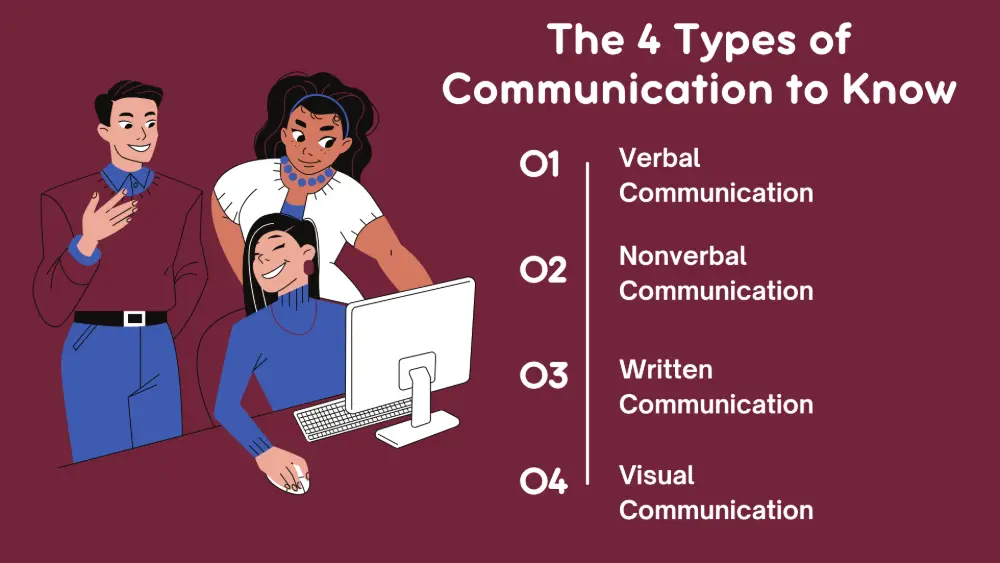
- Verbal Communication: One-on-one conversations, team meetings, presentations, phone calls.
- Nonverbal Communication: Body language, tone of voice, eye contact. Did you know that inconsistent nonverbal signals cause more misunderstandings than almost anything else?
- Written Communication: Email, Slack messages, project reports, documentation.
- Visual Communication: Slides, charts, data visualization – anything that helps people see what you mean.
Why Communication Skills Matter at Work and School
At the Workplace
Strong, effective communication in the workplace isn’t a “nice to have.” It’s how work actually gets done.
At School
For students, communication is just as vital. Good interpersonal communication helps you:
12 Actionable Ways to Improve Your Communication Skills
Ready to become a better communicator? Here are 12 proven strategies you can use starting tomorrow – at your desk, in the classroom, and in virtual meetings.
1Practice Active Listening (Every Day)
Active listening means giving your full attention, asking clarifying questions, and reflecting what you’ve heard. Stop planning your reply while the other person is still talking. Instead, try paraphrasing: “So what I’m hearing is that you need the report by Friday. Is that right?”
2Watch Your Body Language and Tone
Your nonverbal cues should reinforce your words. If you say “yes” while shaking your head no, people will trust your body over your mouth. Avoid crossed arms, tapping feet, or looking at your phone. In Zoom meetings, maintain eye contact with the camera and mute yourself when you’re not speaking.
3Be Clear, Concise, and Consistent
The 3 Cs of professional communication – clear, concise, consistent – help you structure every message. Before hitting send, ask: Is this easy to understand? Am I being direct enough? Would I want to receive this?
4Ask for Feedback (and Act on It)
Asking for feedback is a communication skill in itself. In your next one-on-one, try: “Can you give me one thing I could improve about the way I communicate with the team?” Then actually do it.
5Adapt Your Message to Your Audience
A quick Slack message to a teammate shouldn’t look like a formal email to a client. Tailoring your tone and channel shows emotional intelligence and respect for other people’s time.
6Build Collaboration Skills Through Team Activities
Group projects, team-building exercises, and cross‑functional meetings are low‑stakes practice grounds. For students: join a sports team, participate in classroom discussions, or volunteer where you talk to the public.
7Set Clear Communication Norms (Especially for Remote/Hybrid Teams)
Decide with your team: when do we use Slack vs. email vs. a meeting? Establishing norms reduces the “where do I put this?” confusion and makes communication at work smoother for everyone.
8Hold Actionable Meetings
Never schedule a meeting without a clear agenda. Before you speak, think: What do I need to say? Why does it matter? How should I say it? Eliminate awkward silences and misunderstandings before they happen.
9Participate in Public Speaking or Presentation Practice
Students: volunteer for presentations early and often. Professionals: record yourself giving a short talk and listen for filler words like “um” or “like.” The more you practice, the more natural it feels.
10Learn to Manage Conflict Early
Don’t let small disagreements fester. Good workplace communication means bringing up blockers or providing feedback to reach a better place than where you started. Keep it solution‑focused and respectful.
11Reduce Distractions in Every Conversation
Put your phone away. Close unnecessary browser tabs. Make intentional eye contact. You cannot communicate effectively when you’re multitasking – and the other person can tell.
12Practice Empathy and Perspective‑Taking
Ask open‑ended questions. Avoid interrupting. Try to see the situation from the other person’s point of view. Interpersonal communication skills aren’t just about talking – they’re about genuinely understanding.
Quick Cheat Sheet
Aim for clarity. Seek to solve conflicts, not create them. Remember that communication goes both ways – even when it’s just a nod.
How to Improve Communication in Management (For Leaders)
Why Manager Communication Matters
A study highlighted in the resources above found that inclusive communication cultures – where employees feel encouraged to participate – lead to higher engagement and much lower turnover. Managers who avoid “the hard stuff” (like giving tough feedback) create environments where problems fester.
Specific Strategies for Managers
If you want to improve how to improve communication in management, start here:
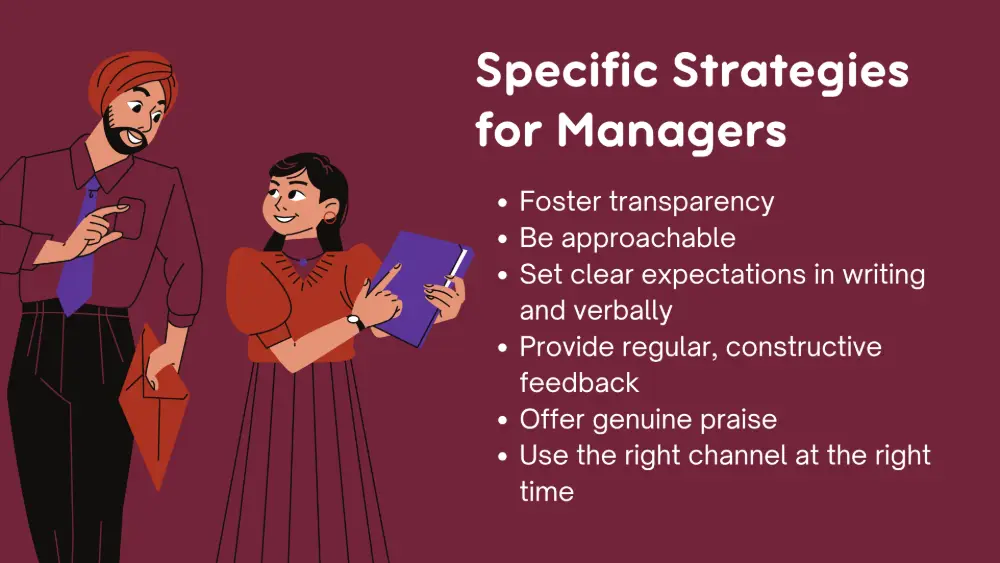
- Foster transparency: Keep employees informed. Share the “why” behind decisions.
- Be approachable: Show genuine interest in what your employees are saying – both professionally and personally.
- Set clear expectations in writing and verbally: Write down expected behaviors for leaders and staff alike. Create a behavioral framework if helpful.
- Provide regular, constructive feedback: Tie feedback to specific actions and outcomes, not personality.
- Offer genuine praise: Recognition builds trust and motivates teams.
- Use the right channel at the right time: Sensitive topic? Go face‑to‑face (or video). Save email for straightforward updates.
Best Resources to Learn Communication
Online Courses and Certifications
- Coursera’s “Professional Skills: Communicating Your Best Self” (free to audit)
- Great Learning’s “Essential Skills for Business Communication” – 30‑minute certificate covering verbal, non‑verbal, written, and listening skills
- Dale Carnegie’s “Effective Communications and Human Relations” – 8‑session online course
- Simplilearn’s free online communication skills course with certificate
Free and Open Resources
- HelpGuide’s “Effective Communication” – completely free, research‑backed advice
- Skills You Need’s Communication Portal – includes an A‑Z list of interpersonal skills and a self‑assessment.
- “Oral/Interpersonal Communication” – a free, open textbook for students
Practice Tools and Apps
- Smallppt – In today’s fast‑paced workplace, being a strong verbal communicator isn’t enough. You also need to communicate visually. Smallppt is an AI‑powered presentation tool that helps you build clear, professional slides in minutes. Smallppt helps you convey your message visually with confidence. No more ugly slides or hours spent formatting.
- Yoodli (free AI communication coach for public speaking)
- Toastmasters International (in‑person and online public speaking practice)
Conclusion
Let’s recap. The communication skills definition boils down to your ability to share information clearly, listen actively, and adapt your approach based on your audience. You can become a better communicator by practicing these 12 strategies, reducing distractions, and seeking regular feedback.
Whether you’re presenting a project to your class, leading a team meeting, or just writing a clearer email, small daily improvements add up to big results.
Ready to level up? Start by practicing active listening in your very next conversation. Then try using Smallppt to sharpen your visual communication for your next presentation.